
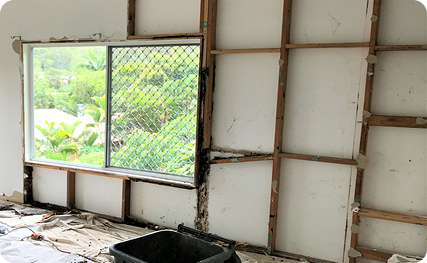
Termites are one of the most serious threats to any Australian home, and Queensland is among the hardest-hit parts of the country. They work silently and almost entirely out of sight, and by the time the damage is obvious, it's often extensive. Understanding what to look for, and what proper repair involves, can save you from a small problem becoming a structural disaster. Here's what every Brisbane homeowner should know.
Why Queensland homes are especially at risk
Australia is home to hundreds of termite species, and the most destructive group by far is the subterranean termite, responsible for the overwhelming majority of termite damage to buildings. They nest underground or in tree stumps and travel, sometimes up to 100 metres from their nest, through mud tubes to reach the timber they feed on. A mature colony can consume a startling amount of timber, and a single colony can cause significant structural damage within months of getting established.
Queensland's warm, humid climate makes it prime termite territory, with activity year-round and peaking in the warmer, more humid months. Brisbane's many timber and timber-framed homes, including the city's beloved Queenslanders, offer exactly the food source termites seek. And because subterranean termites forage across wide areas, a nest in a neighbour's tree or on nearby land can put your home at risk even with no nest on your own property.
The warning signs to look for
Termites hide their activity, but they leave clues. Watch for:
- Mud tubes. These pencil-width tunnels of mud and droppings are the most recognisable sign of subterranean termites, running along foundations, walls, piers, stumps and other surfaces. They're how termites travel while staying in the humid, protected environment they need.
- Hollow-sounding timber. If timber sounds empty or papery when tapped, termites may have eaten it out from the inside, leaving only a thin shell.
- Sticking doors and windows. Termite damage (and the moisture associated with it) can distort timber frames, making doors and windows suddenly hard to open or close.
- Sagging or soft floors and ceilings. Severe damage can cause structural warping, drooping or a spongy feel underfoot.
- Discarded wings. After swarming, termites shed their wings, often found near windows, doors or light sources.
- Frass (droppings). Small, sand-like pellets can indicate drywood termite activity.
- Blistering or rippling paint and crumbling skirting. Surface changes can hint at activity or moisture behind them.
These signs don't always appear together, and individually some can seem minor, but together they point to a problem that shouldn't be ignored. As inspectors put it, finding even one termite is enough to warrant concern, because they travel in large colonies.
A crucial point: insurance usually won't cover it
Here's something that catches many homeowners out. Standard home and contents insurance policies in Australia typically exclude termite damage, because insurers classify it as gradual deterioration rather than sudden, accidental damage. That means the homeowner usually bears the full cost of repairs, which can run from several thousand dollars for moderate cases into the tens of thousands, and far higher for severe structural damage. This is exactly why prevention and early detection matter so much.
The role of regular inspections
Because termites work out of sight, regular professional inspections are the single most effective way to catch them early. Australian Standard AS 3660 series guidance recommends at least annual inspections for most homes, with more frequent checks (every six months) in higher-risk areas. A professional inspection checks for the signs above, assesses conducive conditions (moisture, timber-to-soil contact, drainage and ventilation issues), and produces a written report. Inspections are inexpensive relative to the damage they prevent, a small, sensible insurance policy of your own.
What termite damage repair involves
If damage is found, repair is a two-part problem: dealing with the termites, and repairing the damage they've done. The pest treatment itself (eradicating the colony and putting management systems in place to prevent reinfestation) is the domain of a licensed pest manager. The structural repair, replacing or reinforcing damaged framing, flooring, skirtings, roof timbers or other affected building elements, is building work.
Proper repair means assessing the full extent of the damage (which is often greater than it first appears, because much of it is hidden within walls, subfloors and roof voids), then replacing compromised structural timber and restoring the affected areas to a sound, safe condition. On older Brisbane homes especially, this can interact with the home's character features, so it pays to use a builder who understands these homes. Crucially, repairs should address the conditions that allowed the problem, moisture, ventilation, soil contact, not just patch the visible damage, so it doesn't recur.
Don't wait
The pattern with termites is always the same: the longer it's left, the worse and more expensive it gets. If you've spotted any of the warning signs, or it's simply been too long since your last inspection, act now rather than later.
If you're dealing with termite damage and need the structural repair work done properly, see our termite damage repair service or get in touch.