
Discovered termite damage in your home? You're not alone, and it can be put right. Termites are one of the most serious threats to Australian homes, and Queensland is among the hardest-hit regions in the country. When they strike, they can compromise the structural timber your home depends on, but with the right repairs, your home can be restored to a safe, sound condition.
Harbour Build is a fully licensed builder specialising in the structural repair of termite-damaged homes across Brisbane and the coast. We assess the full extent of the damage, replace and reinforce what's been compromised, and restore your home properly, so you can move forward with confidence.
Queensland's warm, humid climate makes it prime termite territory, with activity all year round and a peak through the warmer, more humid months. The most destructive culprits are subterranean termites: they nest underground or in tree stumps and travel through mud tubes, sometimes up to 100 metres from their nest, to reach the timber they feed on.
Brisbane's many timber and timber-framed homes, including the city's much-loved Queenslanders, offer exactly the food source termites seek. And because subterranean termites forage across wide areas, a nest on neighbouring land can put your home at risk even if there's no nest on your own property. An established colony can cause significant structural damage in a matter of months, which is why fast, proper repair matters.
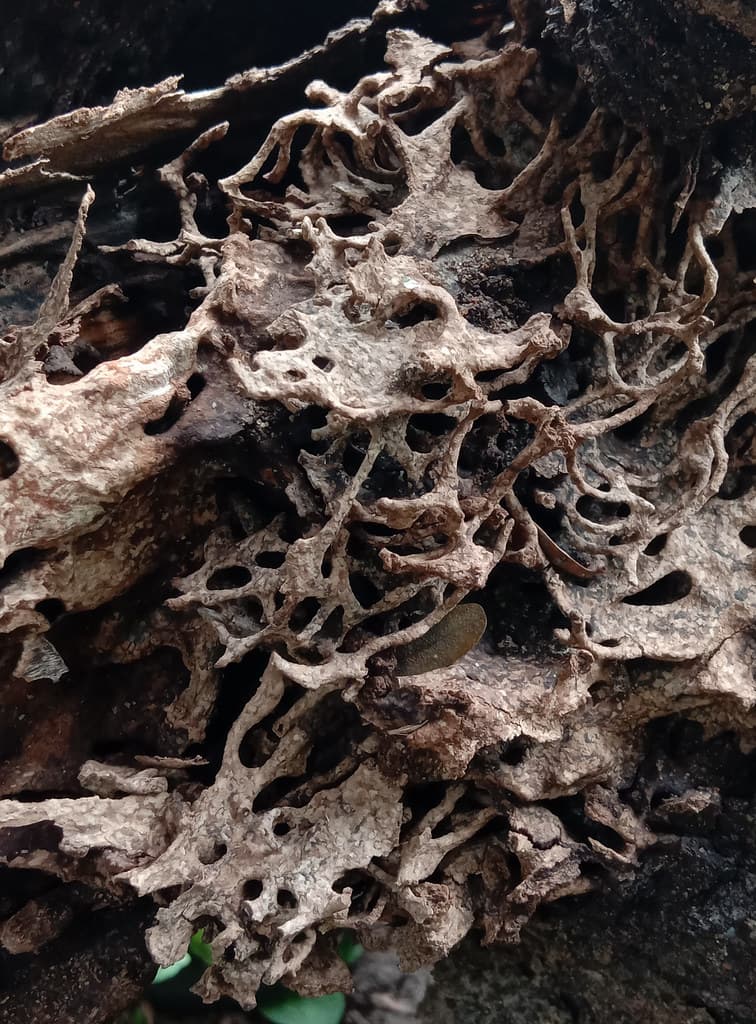
Termites work silently and out of sight, but they leave clues. If you notice any of these, it's worth getting your home checked. What's visible is usually only part of the story.
Pencil-width tunnels of mud running along foundations, walls, piers or stumps.
Timber that sounds empty or papery when tapped.
Frames distorted by damage or moisture.
Soft floors and ceilings, a sign of more advanced structural damage.
Small piles near windows, doors or lights after termites swarm.
Tiny sand-like droppings, plus blistering paint and crumbling skirting boards.
Here's something many homeowners don't realise until it's too late. Standard home and contents policies in Australia typically exclude termite damage, because insurers treat it as gradual deterioration rather than sudden, accidental damage. In most cases, that means the cost of repair falls to the homeowner.
That's the bad news, but it's also exactly why addressing damage promptly and properly is so important. The longer termite damage is left, the more extensive and expensive it becomes. Acting early keeps the repair as contained, and as affordable, as possible.
Dealing with termites is really two jobs: getting rid of the termites, and repairing the damage they've done. The first, eradicating the colony, is the work of a licensed pest manager. The second, the structural building repair, is where we come in, and we're happy to work alongside your pest controller so both are handled.
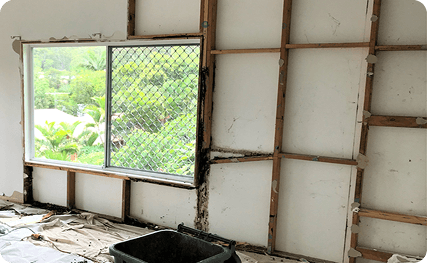
We inspect to determine the true extent of the damage, which is often greater than it first appears, because so much of it hides within walls, subfloors and roof voids. You can't repair what you haven't properly found, so this step is critical.
We lay out exactly what needs to be repaired or replaced, and what it will cost, with no surprises.
We replace or reinforce the compromised structural timber (framing, flooring, subfloor, skirtings or roof timbers), restoring your home to a sound, safe condition. On older and character homes, we work sympathetically with the original features.
Good repairs don't just patch the visible damage, they address the conditions that allowed it, such as moisture, poor ventilation, drainage issues or timber in contact with soil, so you're not back in the same position later.
Termite damage affects the structural integrity of your home, so the repairs are not a job for a handyman. In Queensland, building work valued at $3,300 or more must be carried out by a QBCC-licensed contractor, and when you're talking about the timber that holds your home up, you want that work done by a licensed, insured builder who understands structural construction and stands behind the result. Repairs done properly the first time protect your home and your family; repairs done cheaply can leave hidden weaknesses behind the walls.
Because termites work out of sight, regular professional inspections are the single most effective way to catch them early. Australian Standard guidance recommends at least annual inspections, and every six months in higher-risk areas. Pairing regular inspections (through a licensed pest manager) with prompt, proper repair of any damage is the best protection your home can have. We're glad to advise on the building-side measures that reduce risk: improving subfloor ventilation, managing moisture and drainage, and keeping timber away from soil contact.
The longer termite damage is left, the worse and more costly it gets, so the best time to act is now. If you've found damage, or you're worried about what an inspection has turned up, get in touch and we'll assess it and give you an honest, clear plan to put it right.
Or enquire online.